Siwa Oasis Retreats

Home / Siwa Oasis Guide

Siwa Oasis — Egypt's Most Remote and Restorative Corner

Everything you need to know before you arrive: the landmarks, the culture, how many days to stay, and the best seasons to visit.

The place

What is Siwa Oasis?

Siwa Oasis sits in a natural depression in Egypt's Western Desert, roughly 560 kilometres west of Cairo and just 50 kilometres from the Libyan border. The oasis floor lies some 18 metres below sea level, which is why its fresh springs rise so naturally and its salt lakes sit so still. There are approximately 23,000 Siwans living in and around the oasis, most of them descended from Berber communities that have farmed dates and olives here for over two and a half thousand years.

The town of Siwa itself is compact and easy to navigate on foot or by donkey cart — there are few private cars in the centre, and the pace of life is unhurried in a way that is immediately felt. The market street (Souq Street) runs through the old town beneath the ruins of Shali fortress, and most of the eco-lodges and guesthouses are within a short walk or short ride of the spring pools and the date groves that surround the settlement.

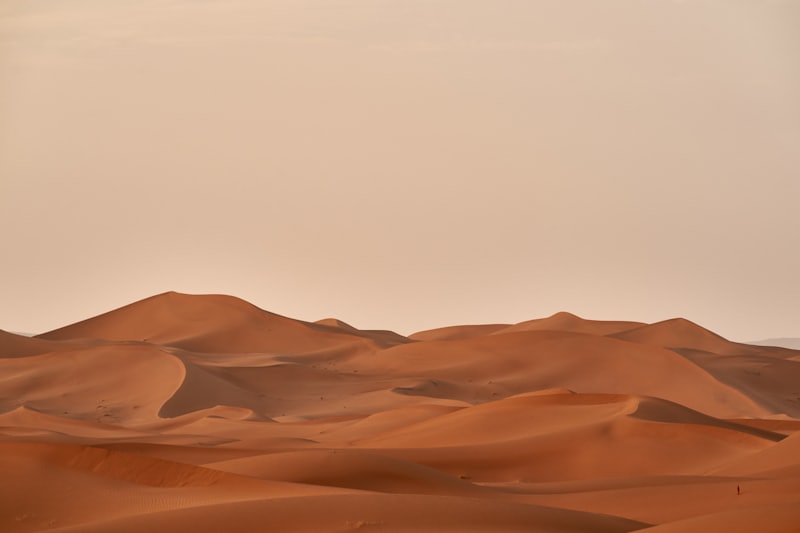
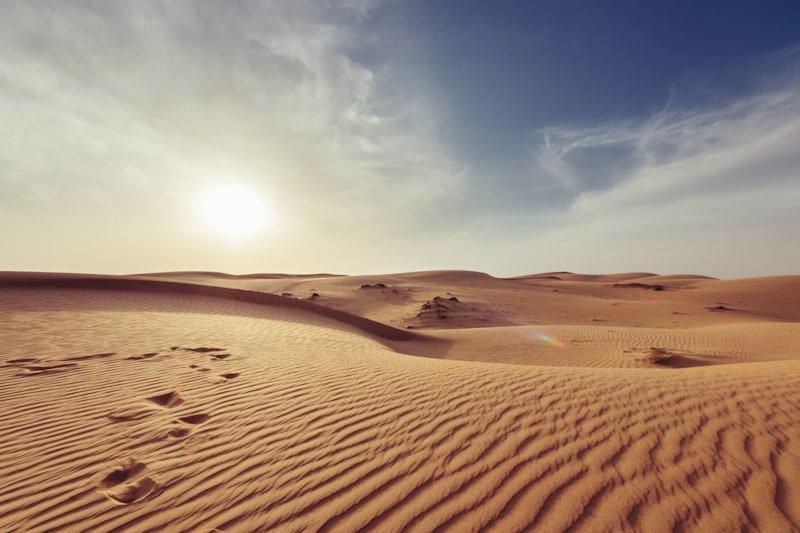
What draws people to Siwa is a combination that exists almost nowhere else in the region: genuine historical depth, natural spring bathing, an intact Berber culture, and the Great Sand Sea beginning at the edge of the oasis. For a wellness retreat, it offers sand baths, salt floats, hammam treatments and a sensory environment — warm days, cold nights, ancient stone, firelight — that does the work of decompression before any formal therapy begins.
Key sites

Siwa's main attractions

A guide to the landmarks, what each one offers and roughly how long to spend at each.

Site What it is Time needed Entry Best time of day
Shali Fortress (Shali Ghadi) Ruined kershef mud-and-salt-brick medieval town on a rocky ridge above the modern town — the original Siwa settlement 1–2 hours Free, open site Sunrise or golden hour
Temple of the Oracle (Aghurmi) 26th Dynasty Amun temple where Alexander the Great consulted the oracle in 331 BC; remarkably intact hieroglyphic carvings 45–90 minutes EGP 100 (~$2) Early morning
Temple of Umm Ubayd Smaller Amun temple adjacent to Aghurmi, now mostly ruins but atmospheric and rarely crowded 30 minutes Included with Oracle ticket Any time
Cleopatra Spring (Ain Juba) Circular natural spring well, warm at around 30 °C, safe to swim; said (apocryphally) to have been bathed in by Cleopatra 1–2 hours EGP 20 (~$0.40) Morning or late afternoon
Gebel Dakrour Rocky hill 3 km east of town where traditional hot sand bath therapy is practised; the site of Siwa's September annual festival Half day (with sand bath) Sand bath from $12–$25 Mid-morning (therapy); sunset (views)
Fatnas Island (Fantasy Island) Small palm-shaded island in a salt lake 6 km west of town, connected by a causeway; a quiet café, date palms, lake views 1–2 hours Free Late afternoon / sunset
Great Salt Lake (Siwa Salt Lake) Large shallow salt lake; float effortlessly in dense mineral water — salinity is around 32–35%, comparable to the Dead Sea 2–3 hours Access through guides / lodges Midday to afternoon
Mountain of the Dead (Gebel al-Mawta) Rock-cut Ptolemaic and Roman-era tombs, some with well-preserved wall paintings, in a hillside north of the market 1 hour EGP 40 (~$0.80) Morning
Great Sand Sea edge (near Bir Wahed) The beginning of the Great Sand Sea — hot and cold springs, dunes, fossil fields; requires 4x4 and guide Full day or overnight From $80–$150 per person (guided tour) Leave at sunrise
How many days

The right length of stay

Three nights is the minimum for a meaningful visit to Siwa — enough to see the main temples, float in the salt lake, soak at Cleopatra Spring and spend one evening on Fatnas Island. Four nights allows a full-day desert excursion to the Great Sand Sea as well, without the rest feeling rushed.

For a proper wellness retreat — building in sand bath sessions at Gebel Dakrour, repeat visits to the springs, hammam treatments and evenings of stillness at the lodge — five to seven nights is the sweet spot. Many guests arrive expecting to stay three nights and extend on the day of their planned departure. We mention this not to encourage spending more but because it is one of the most common things our guests tell us.

Those combining Siwa with a wider Western Desert circuit (Bahariya Oasis, the White Desert, the Black Desert) will typically spend two to three nights at Siwa within a longer itinerary. We plan those too — get in touch with your dates and scope.

Best months to visit

October through April: warm days (20–28 °C), cool nights (8–15 °C). Spring blooms in the date groves. Summer days reach 40 °C+ — possible but taxing. Desert camps and sand therapy are comfortable October through March. The annual Siyaha festival is held in September at Gebel Dakrour.

See retreat packages →

Culture and customs

Siwan Berber culture — what to know before you arrive

Siwa has a distinct identity that sets it apart from the rest of Egypt. The Siwan Berber people — the Amazigh — have their own language (Siwi, a Berber dialect distinct from Arabic), their own dress traditions, architecture and social customs. Modern Arabic and English are widely spoken in the tourist economy, but the cultural backdrop you are visiting is Amazigh, not Arab.

The traditional Siwan house is built from kershef — a material made from salt-rock quarried from the lake beds and mixed with mud — which insulates remarkably well in the desert heat. The ruins of Shali are made entirely of kershef, as are many of the eco-lodges in the oasis. When a kershef wall erodes, it dissolves back into the salt lake it came from.

Dress modestly in the town and at the temples — covered shoulders and knees for both men and women. At the springs and salt lakes, swimwear is accepted, but changing on the lakeshore is not. Photographing Siwan women requires explicit permission and is often declined; the town is not a photography-friendly environment in the way that Cairo's tourist sites are. Take the cue from your guide.

Date palms and olive groves are the agricultural foundation of the oasis — Siwa produces an estimated 70% of Egypt's olives and the dates are among the finest in North Africa. Buying locally produced olive oil, dried dates and the traditional embroidered shawls (the tarfoutet) directly from Siwan families is both the most authentic and the most beneficial way to support the community.

Also in the oasis

Further ways to spend your time

Cleopatra Spring pool at Siwa Oasis
The water

Salt Springs & Lakes

The mineral-rich salt lakes around Siwa are the centrepiece of any wellness visit. Float effortlessly, soak in warm spring water, and let the high salinity do what it does for skin and joints.

Salt springs guide →
Sand bath wellness treatment at Gebel Dakrour near Siwa
The healing

Wellness Treatments

Sand baths, salt rooms, date-oil massages and hammam — traditional and restorative practices that have been used in this oasis for centuries and are available through the eco-lodges today.

Treatments guide →
Desert camp in the Great Sand Sea near Siwa
The adventure

Desert Camps

One or two nights in the Great Sand Sea — dune drives, a campfire dinner and a sky so full of stars it stops conversation. The optional wilder extension of a Siwa retreat.

Desert camps guide →
Common questions

Siwa Oasis — frequently asked questions

Yes. Siwa has remained a safe and welcoming destination even during periods of regional instability. The oasis is a small, tight-knit community with a long tradition of tourism. The main precautions are practical: carry water in the desert heat, use a licensed guide for any excursion beyond the town boundary, and respect local customs around dress and photography in the residential areas.

Mobile coverage exists in the town centre and most lodges — Vodafone Egypt and Orange Egypt both reach Siwa, though signal quality varies. WiFi is available at most guesthouses and eco-lodges, though speeds are modest. For many guests this is part of the appeal: genuine disconnection is possible here without extra effort.

Yes — the Temple of the Oracle at Aghurmi and the Mountain of the Dead are accessible independently with an entry ticket purchased at the site. For the Great Sand Sea and any excursion more than 10 km from the town, a licensed local guide and 4x4 vehicle are required by Egyptian law and are a genuine safety necessity.

Egyptian Pounds (EGP). There is one ATM in Siwa town that accepts international cards — it runs out of cash on busy weekends. Bring a mix of USD (widely accepted at lodges and for guided tours) and EGP cash for the market, transport and entry fees. As of 2026, 1 USD ≈ 49–51 EGP.

Very much so for older children and teenagers. The springs and salt lake are gentle and safe. The temples and the fortress ruins are open and accessible. For families with small children, the lack of medical facilities in the oasis (the nearest hospital is in Marsa Matrouh, four hours away) is the main practical consideration. Most families who visit find the pace and the environment exceptionally positive for children — early to bed, outdoors all day, no screens.

Bicycle rental is the most common way to move around — available from most lodges and several shops near the market for around EGP 50–80 per day ($1–2). Donkey carts (karoussa) are available for hire in the town centre. Electric golf carts are increasingly common. For the temples and the salt lakes, most visitors hire a local guide with a vehicle for a half or full day — rates are roughly $30–$60 depending on distance and group size.

Ready to plan your Siwa retreat?

Tell us how many nights you're thinking, what you want to feel when you leave, and we'll shape an itinerary around the oasis.

Start the conversation See retreat plans