Home / Retreats & Services
What we plan — twelve ways into the oasis
Siwa is a place with a wide range of possible experiences: from an afternoon at the Cleopatra Spring to a ten-night programme combining eco-lodge rest, daily treatments and a Sand Sea camp. Every service below is something we plan for guests independently — matching properties, scheduling treatments, coordinating logistics — with no lodge or operator of our own to push. Prices shown are approximate full trip costs including lodge accommodation; our planning fee is separate and shown on the pricing page.
Salt spring soak retreat
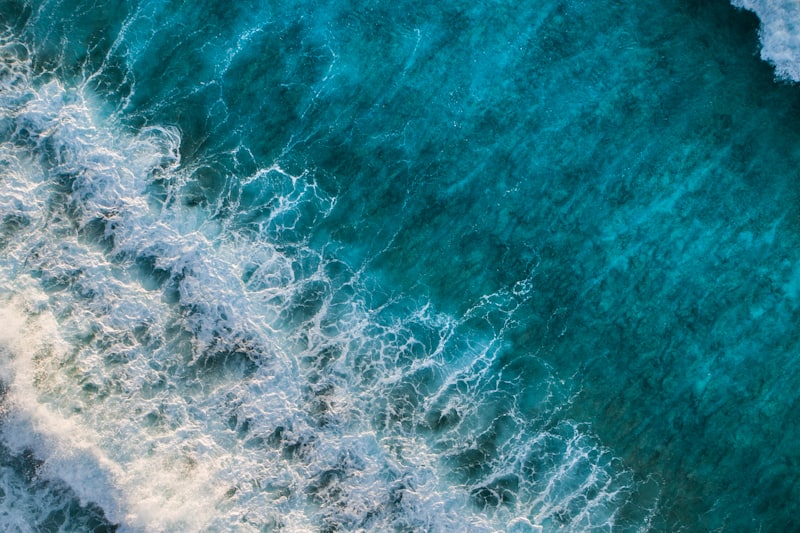
The mineral-rich salt springs of Siwa are the oasis at its most immediately restorative. The Cleopatra Spring — known locally as Ain Guba — sits at the northern edge of town, an ancient stone-lined pool fed by a deep aquifer that maintains a consistent temperature year-round. West of town, the salt lakes at Birket Siwa and Birket Zeitoun offer open-water floating in water so dense you rest on its surface with no effort. These are not spa pools with added salts — they are natural geological features with a mineral content that has been documented as beneficial for joint inflammation, skin conditions and the particular kind of physical fatigue that arrives after sustained stress.
A salt spring soak retreat is built around daily sessions at the springs and lakes — typically morning at the Cleopatra Spring, afternoon at the open salt lake — with lodge stays chosen specifically for proximity and spring access. Some lodges have their own freshwater spring-fed pools; we note which ones, and for guests whose primary goal is water-based restoration, on-site access is often worth the premium. The retreat runs most commonly over three to five nights, giving enough time for the cumulative effect of repeated mineral immersion to register. We design each day with long, unscheduled rest periods. The springs are not a timed activity.
Duration: 3–5 nights · Approx. lodge cost: $180–$420 USD (2,900–6,700 EGP) · Season: October–April optimal, year-round possible · Best for: Physical fatigue recovery, joint comfort, skin restoration, pure rest
Full wellness week
Related: All treatments in detail · Full Retreat Plan fee
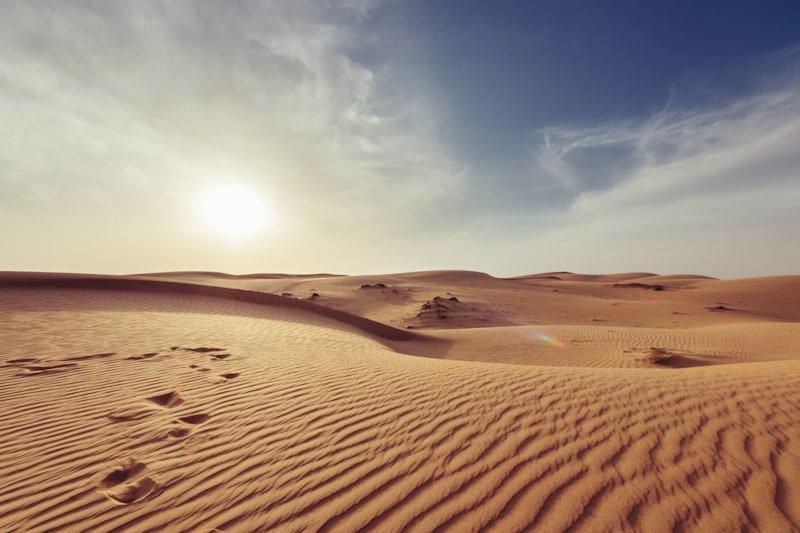
The full wellness week is the structure most guests come to associate with a serious Siwa retreat. Seven nights, a carefully chosen eco-lodge, and a daily rhythm built by Nada Kamel that alternates active and passive treatments with open rest time and the quieter excursions — an evening at the salt lake, a walk through the old Shali ruins, the Wednesday market if timing allows.
The treatment programme typically includes: two hammam sessions (the full ritual version, not the tourist abbreviation — approximately ninety minutes each, beginning with black soap scrub, moving through steam, hot-water rinse, kessa mitt exfoliation and ending with a ghassoul or argan oil application); two sand-bath sessions at the Dakrour dunes (sixty minutes partially buried in hot silica-rich sand, followed by cool spring water and rest); one salt-room session at a lodge that maintains a genuine crystallised-salt chamber; one olive-oil and date-paste body treatment using materials sourced from the oasis itself; and daily free access to the lodge spring or the Cleopatra Spring and salt lake. That leaves three to four days entirely treatment-free — structured only by meals, spring visits and sleep.
The lodges suited to a full wellness week are a smaller subset than those suited to shorter stays: they need on-site treatment facilities or strong relationships with nearby practitioners, a kitchen capable of fresh, light meals, and an atmosphere that supports quietness. We have three properties in the active portfolio that reliably meet all three criteria. We'll match the right one to your budget and comfort preference.
Duration: 7 nights · Approx. lodge cost: $490–$980 USD (7,800–15,600 EGP) · Season: October–April · Best for: Burnout recovery, post-illness restoration, deep physical and nervous system rest
Sand bath therapy
Siwa's sand-bath tradition is rooted in the particular properties of the dune sand at Dakrour — a low hill at the southeastern edge of the oasis where the sand is fine, dry and rich in silica and trace minerals. Locals have used it therapeutically for generations, particularly for rheumatic pain and muscular stiffness. The method is straightforward and unusually effective: a shallow depression is dug in the hot sand, the guest lies in it and is partially covered, and the combined effect of radiant heat from the surface, conducted heat from the buried mass and the mineral contact produces a deep-tissue warming that most guests describe as entirely unlike any other heat treatment they've experienced.
Sessions run between forty-five and seventy-five minutes depending on ambient temperature and the guest's sensitivity. They are followed immediately by a period in shade and cool spring water. The sand in June and July reaches temperatures that make sessions shorter but more intense; in November and December the gentler heat allows longer sessions. Nada Kamel assesses the appropriate duration and depth for each guest individually, particularly where there are existing health considerations.
Sand baths should not be done more than once in twenty-four hours and are most effective when spaced across a multi-day stay. They pair well with an evening hammam the same day, and particularly well with a morning session at the salt lake — the buoyancy and mineral contact of the water complement the deep heat of the sand. We integrate both into the multi-day plans where a guest's goals include joint or muscular relief.
Duration: Usually included in 3–7 night plans · Stand-alone session cost at Dakrour: approx. $15–25 USD (240–400 EGP) · Season: Year-round, optimal October–April · Contraindications: Hypertension, recent cardiovascular events — advise us if relevant
Hammam ritual
The hammam as practised in Siwa differs in rhythm and intention from the spa-hotel version most Western guests have encountered. It is not primarily about relaxation in the passive sense but about thoroughgoing physical renewal: the removal of accumulated dead skin and toxins through heat and friction, followed by oiling and calming. A properly administered Siwan hammam takes between sixty and ninety minutes and leaves the skin transformed in a way that a shortened, tourist-adjusted version does not.
The sequence begins with a steam room phase — typically twenty minutes in a dry heat chamber, raised to between fifty and sixty degrees Celsius, sufficient to open the pores and begin the deep-tissue warming. This is followed by a vigorous application of beldi black soap, made from the paste of pressed olives — a byproduct of Siwa's substantial olive harvest — which is worked into the skin and left for ten minutes before a thorough hot-water rinse. The kessa mitt exfoliation phase follows: a coarse-woven mitt worked across every surface of the body in long strokes, lifting the softened dead skin layer. The amount removed is often surprising to first-time guests. After a second rinse, ghassoul clay or argan oil is applied — ghassoul for guests seeking continued skin-drawing, argan for those who want the nourishing finish. The session closes with cool water and rest.
Siwa's lodges vary significantly in the quality of their hammam facilities and practitioners. Some have dedicated hammam rooms with correctly-heated chambers maintained by experienced operators; others offer watered-down versions. Nada Kamel has assessed each and maintains current recommendations. When you book a full wellness week or bespoke retreat through us, the hammam sessions are allocated to the appropriate practitioners — not to whoever is available.
Duration: 60–90 min per session · Cost per session: $25–50 USD (400–800 EGP) depending on lodge · Season: Year-round · Recommended frequency: No more than every 48 hours within a retreat programme
Eco-lodge stay
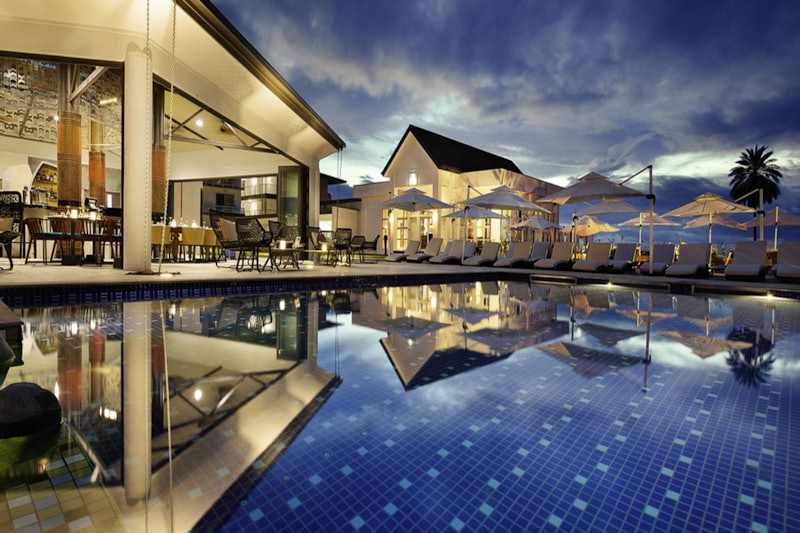
Siwa's eco-lodges are architecturally distinctive and genuinely part of the experience. Built from kershef — a composite of salt-rock and mud unique to the oasis and technically unsuitable for anywhere that receives significant rainfall — they stay cool through the day without air conditioning by virtue of thick walls that absorb and then slowly release heat. Rooms are lit by candle and lantern after dark. Floors are packed earth or local stone. The aesthetic is not rustic in the sense of uncomfortable; it is elemental in the sense of being in contact with the material of the place.
The portfolio we recommend spans a significant range of comfort and price. At the quieter and more premium end is Adrère Amellal — a property on the shores of Lake Siwa that has no electricity, is lit entirely by beeswax candle, serves food grown on its own land, and charges $280–$350 USD per night per room. It is a genuinely extraordinary place, appropriate for guests whose primary goal is silence and immersion and who do not need Wi-Fi. At the more accessible end, several smaller properties near the centre of town charge $60–$90 USD per night, are family-run and warm in character, are within walking distance of the Cleopatra Spring, and offer excellent food. In between are properties like the Taziry Ecolodge, with spring-fed pools and a treatment room on site, which occupies a comfortable middle ground between immersion and convenience.
Matching a guest to the right lodge is the core of what we do. The criteria we apply: proximity to the springs or on-site spring access; treatment facilities, if wellness is the primary goal; privacy level (some lodges have a communal atmosphere that suits social travellers but not those seeking solitude); food quality; and the seasonal behaviour of the property (some are more active during high season and quieter and more personal in shoulder season). We update our assessments before each season opens.
Price range: $60–$350 USD per room per night (950–5,600 EGP) · Check-in: Typically afternoon; coordinate with transfer timing · Booking: Direct with lodge once we've confirmed the match
Related: Full eco-lodge guide
Desert camp overnight
Related: Full desert camps guide · Western Desert
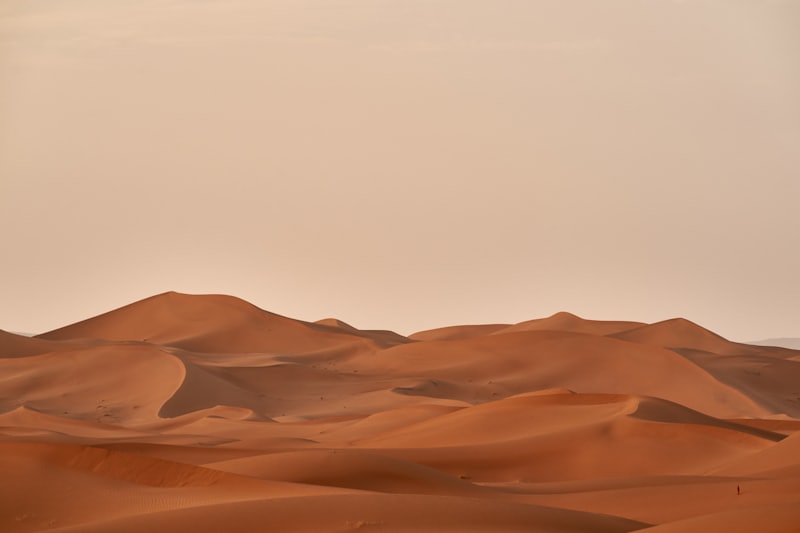
An overnight in the Great Sand Sea is not for everyone, and we don't push it. It is the optional active pole of a Siwa retreat — the contrast experience that, for guests who want it, amplifies the rest of the trip. The dunes of the Sand Sea begin approximately twelve kilometres southwest of Siwa town and extend several hundred kilometres into Libya. A camp night involves a late-afternoon drive in a 4WD through the dunes — ascending the major ridges at sunset for the view, then descending to a flat basin where camp is made, dinner is cooked and the fire is lit.
The sky at a Sand Sea camp is, without exaggeration, among the best stargazing environments in the eastern hemisphere. With no artificial light within fifty kilometres and an atmosphere free of humidity, the Milky Way and the southern horizon display in a way that is not available in Europe or North America. Most guests who go remember it as a defining experience of the trip. The cold after dark catches most people off guard: a November desert night drops to 8–12°C. Layers, a proper sleeping bag and the pre-departure packing list that Tarek prepares make it manageable.
Bishr Ali screens all camp operators we recommend. He assesses the guide's navigation knowledge and driving competence in soft sand, the quality and cleanliness of the bedding and cooking equipment, the emergency protocols, and whether the camp site itself is in genuinely pristine desert rather than a frequently-used tourist track. We do not refer any operator Bishr has not personally verified in the current or preceding season.
Duration: 1 night (depart afternoon, return morning) · Cost: $80–$140 USD per person (1,280–2,240 EGP) depending on group size · Season: October–April strongly recommended; summer possible but hot · Group size: 2–10 guests
Great Sand Sea trek
For guests who want more than a single overnight in the dunes, Bishr Ali leads multi-day overland treks into the Great Sand Sea — the largest continuous erg in Africa, covering more than seventy thousand square kilometres. A two or three-day trek goes deeper into the dune system than a single-night camp: past fossilised seabed outcrops where Cretaceous marine shells surface from the sand, into corridors of dunes that reach eighty metres in height, and out to the hot and cold spring complex at Bir Wahed, where a natural hot spring at 35°C sits alongside a cold freshwater lake surrounded by reeds and black kites.
The trek is conducted in a convoy of two to three 4WD vehicles — Bishr navigates the front vehicle, a second driver follows. Routes are varied and are not on marked tracks. Camping equipment, food and water are carried. The logistics are handled entirely by the operator, coordinated in advance by Tarek Said: we confirm vehicle condition, provisions, satellite communication equipment and the guest's own preparation. The trek is physically undemanding in terms of walking — most time is in the vehicle or in camp — but the desert environment is not appropriate for guests with significant heat sensitivity, cardiac concerns or mobility issues. We discuss this directly during planning.
Multi-day treks combine well with a lodge-based retreat as a mid-trip excursion: three or four nights of eco-lodge rest and treatments, two nights in the Sand Sea, then a return to the lodge for a final night before departure. The contrast between the stillness of the oasis and the scale of the desert is, for many guests, the emotional heart of their trip.
Duration: 2–3 days · Cost: $180–$280 USD per person (2,880–4,480 EGP) depending on group and duration · Season: October–April (night temperatures require preparation; avoid June–August) · Min. group: 2 guests
Oracle temple and Shali heritage tour
Siwa has been inhabited for at least eight thousand years and sits at the intersection of multiple civilisations: ancient Egyptian, Libyan, Greek, Roman and the continuous Berber Siwi culture that has outlasted all of them. The Oracle Temple of Amun at Aghurmi — where Alexander the Great came in 331 BCE to have his divine legitimacy confirmed — is one of the most historically resonant sites in Egypt, and entirely unlike the crowds and infrastructure of Luxor or Abu Simbel. You reach it by bicycle or donkey cart, spend as long as you want, and leave largely alone.
The Shali ruins, rising from the centre of Siwa town, are among the most photogenic in Egypt: a medieval mud-brick fortress that was partially dissolved in three days of unexpected rain in 1926 and has been slowly crumbling ever since. Bishr Ali knows every access point and the afternoon lighting that makes the ruins extraordinary. The walk through the old souq around the base and up to the viewpoint takes about ninety minutes at a leisurely pace and gives context to the contemporary oasis that no briefing note can provide.
Heritage tours are typically single-day excursions built into a longer retreat — not standalone services — and are scheduled by us to avoid the brief windows in late morning when tour buses arrive. The goal is to give guests quiet access to sites that are genuinely remarkable rather than a rushed tick on a list. The Siwa Museum, covering the Siwi Berber culture and archaeology, is usually combined with the Shali walk as a half-day programme.
Duration: Half-day (3–4 hours) · Cost: Entry fees approx. $5–10 USD (80–160 EGP) per site; guide included in retreat plan · Season: Year-round · Best combined with: Afternoon at salt springs on the same day
Olive and date harvest experience
Siwa is Egypt's primary olive-producing region: the oasis contains over three hundred thousand olive trees, some of ancient lineage, and the harvest runs from late October through December. The same season — roughly October through January — sees the date palms harvested for Siwa's famous Frehi dates, a small, golden, honey-sweet variety that the oasis has been exporting to Cairo and beyond for centuries. Both crops are central to the material culture of Siwa in ways that are visible at every turn: olive oil is the primary cooking and skin-care medium; date paste and date syrup appear in the traditional hammam preparations; dried dates and olive products dominate the Wednesday market.
For guests travelling in season, we can arrange a morning with one of the small family farms in the eastern oasis that welcome visitors during harvest. This is not a staged agritourism experience but a working farm visit, coordinated through a local contact who translates (Siwi is the working language of the farms, with some Arabic) and explains the cultivation methods. Olive pressing is done at one of the traditional stone mills in town during November; a visit to the mill while it's running is one of the more memorable sensory experiences the oasis offers.
The harvest experience is available only from late October to mid-January and is offered as a half-day addition to a retreat programme. The dates from the oasis and the cold-pressed olive oil can be purchased directly from the farm or market to take home; we advise on quantities and packing for travel.
Duration: Half-day · Availability: Late October–mid-January only · Cost: Approx. $20 USD (320 EGP) per person including guide · Best combined with: Wednesday market visit if dates align
Solo reset retreat
A significant proportion of guests who come to Siwa through our desk come alone. Some come specifically because they want solitude — a period of uninterrupted quiet that is simply not achievable in shared domestic or work life. Others come following a major life transition: the end of a relationship, a career change, a period of illness. The oasis accommodates all of these without making them a category. It is a place of genuine, structural quiet: the oasis has no nightlife, limited mobile connectivity, and an ambient tempo that slows most visitors within the first twenty-four hours regardless of their starting state.
For solo travellers we pay particular attention to two things: the social character of the lodge (some eco-lodges have a communal dining atmosphere that suits solo guests who want gentle company; others, particularly Adrère Amellal, are structured around privacy), and the treatment schedule (solo guests often arrive carrying more fatigue than they realise and benefit from a slower treatment rhythm — fewer sessions, longer rest intervals, more unstructured spring time). Nada Kamel advises directly on the appropriate programme intensity based on what a guest describes about their current state.
We also prepare solo guests more thoroughly for the practical realities of arriving alone in a remote location: what Siwa's connectivity is actually like, how to handle the social dynamics of the oasis as a solo foreign traveller, which public spaces (the salt lake, the market, the springs) are straightforwardly accessible, and when to have us or the lodge as a contact point. The road is safe; the environment is culturally conservative. A briefed solo guest has a very different experience than an unbriefed one.
Duration: 4–10 nights recommended · Approx. lodge cost: $60–$280 USD per night (950–4,480 EGP) · Season: October–April recommended · Planning note: Solo guests receive a detailed pre-departure briefing document
Couples retreat
Siwa works exceptionally well for couples — particularly for those coming from sustained periods of work pressure who have found their shared time eroded into tiredness and logistics. The oasis provides a structural reset: there is very little to do that isn't slow, the lodges are mostly small (no large resort atmosphere), the evenings are genuinely quiet, and the shared experiences — a morning at the Cleopatra Spring, a sunset at the salt lake, a night in the Sand Sea — tend to be ones that reestablish the quality of attention that domestic life depletes.
For couples we choose lodges with genuine private room configurations — not simply a double room off a shared corridor — and we allocate treatment times that run in parallel rather than sequentially, so that both guests are having their hammam or sand bath at the same time rather than one waiting. The three lodges we most frequently recommend for couples are those with their own spring-fed plunge pools accessible from the room, and evening dining that is either private or in small-group settings rather than communal hall.
Couples retreats run most successfully between five and eight nights. We typically design three to four treatment days and two to three rest-and-explore days — one of which, if the couple wants it, is a Sand Sea overnight. The mix of depth and movement tends to sustain engagement across the length of the stay without tipping into over-programming. We've had couples extend by two or three nights on arrival more than once; we flag which lodges can accommodate an extension before the trip begins.
Duration: 5–8 nights · Approx. lodge cost: $120–$600 USD per night for double room (1,920–9,600 EGP) · Season: October–April · Best period for couples: November–February (cool, clear, quiet)
Group wellness retreat
Siwa's smaller eco-lodges can be taken over entirely for groups of six to twelve guests, which creates a retreat environment that is qualitatively different from booking individual rooms alongside other guests. A full-lodge booking means exclusive use of all spring and treatment facilities, meals planned as a group, and a programme that can be coherently structured for the whole group rather than assembled from individual preferences. We have coordinated several full-lodge group retreats since 2023 and have the logistics well-mapped.
Group retreats most commonly come from one of three origins: a corporate team using a Siwa retreat as a genuine recovery event (not a team-building exercise — something slower and more substantive); a wellness practitioner bringing their own client group on a guided retreat (we handle the accommodation, logistics and local treatment coordination while the practitioner leads the programme they've designed); or a friendship group from the same professional or social circle who want something more adventurous than a resort holiday. All three work. The logistics are different and we adjust accordingly.
For groups, Tarek Said's logistics coordination becomes especially important: vehicle transfers from Cairo or Marsa Matrouh in convoy, room assignments, meal dietary requirements, group treatment scheduling, and the Sand Sea camp if it's included. We charge the Bespoke and Group planning fee for these engagements and require a longer lead time — we ask for at least six weeks before travel for a group of six or more. Contact us with your dates, group size and goals and we'll assess whether the timing and lodges are viable before you commit.
Group size: 4–12 guests · Duration: 5–10 nights · Approx. total lodge cost: $2,800–$12,000 USD (44,800–192,000 EGP) for full-lodge booking · Lead time required: 6+ weeks · Planning fee: See pricing page
All retreat types at a glance
| Retreat type | Duration | Est. lodge cost (USD) | Best season | Best for |
|---|---|---|---|---|
| Salt spring soak retreat | 3–5 nights | $180–$420 | Oct–Apr | Physical recovery, skin |
| Full wellness week | 7 nights | $490–$980 | Oct–Apr | Burnout, deep rest |
| Sand bath therapy | Add-on | $15–25 / session | Year-round | Joint, muscular pain |
| Hammam ritual | Add-on | $25–50 / session | Year-round | Skin renewal, detox |
| Eco-lodge stay match | 2–10 nights | $60–$350 / night | Year-round | Any traveller type |
| Desert camp overnight | 1 night | $80–$140 / person | Oct–Apr | Adventure, stargazing |
| Great Sand Sea trek | 2–3 days | $180–$280 / person | Oct–Apr | Deep desert, isolation |
| Oracle / Shali heritage tour | Half-day | $5–10 entry fees | Year-round | History, culture |
| Olive & date harvest | Half-day | $20 / person | Oct–Jan only | Seasonal, food culture |
| Solo reset retreat | 4–10 nights | $60–$280 / night | Oct–Apr | Solitude, transition |
| Couples retreat | 5–8 nights | $120–$600 / night | Nov–Feb | Relationship rest |
| Group wellness retreat | 5–10 nights | $2,800–$12,000 total | Oct–Apr | Corporate, group |
All lodge costs are approximate based on current rates and exclude our planning fee. See the pricing page for planning fees by tier, or contact us directly to discuss your specific dates and goals.
Tell us what you're looking for
Send your dates, the kind of rest you're seeking, and any considerations we should know. We'll match the right retreat and come back with a specific plan within one business day.
Start your retreat plan About the team